

Within this ever-evolving landscape of building and real estate advancement, surveyors play a key role in ensuring projects are carried out with precision and compliance. A surveyor's expertise is vital, regardless you're navigating the complexities of land acquisition, preparing for new constructions, or resolving property conflicts. Understanding what a surveyor does, the various types of surveyors, and the modern tools at their command can empower both developers alike to make knowledgeable decisions.
From establishing property boundaries to conducting detailed site surveys, the work of a surveyor is multifaceted and critical to the success of any real estate endeavor. This article will delve into the necessary gadgets and technologies that today’s professionals rely on, alongside useful tips on how to choose the right surveyor for your particular needs. Whether you are you are embarking on a new building project or simply need to clarify property lines, knowing when and why to hire a qualified surveyor can greatly benefit your objectives.
Comprehending the Role of a Land Surveyor
Land surveyors play a critical role in a range of endeavors, guaranteeing that land and property limits are correctly defined and sustained. Their specialization extends beyond just assessing land; they are involved in mapping, designing, and overseeing the various aspects of construction, land dealings, and growth. This means that a surveyor's responsibility often precedes major initiatives, providing critical data that will impact planning and development decisions.
In addition to this to their professional skills, surveyors must be knowledgeable about local ordinances and zoning laws, which can vary considerably from one place to another. They assess land for fitness, help in the drafting of legal files, and provide detailed reports that summarize findings and recommendations. These responsibilities require not just a strong understanding of geography and mathematics but also robust analytical skills and attention to precision. The role of a surveyor is vital for the efficient operation of construction and real estate deals, staving off costly mistakes and disputes.
They also act as critical resources for property exchanges, helping buyers and sellers comprehend property lines and confirming that all necessary records is in place. By engaging a qualified surveyor, clients can avoid potential law-related issues and gain confidence that their purchases are wise. Overall, surveyors are essential to the precise execution of endeavors across different sectors, making their importance critical in today's world.
Determining the Best Surveyor
Determining the appropriate surveyor for your assignment is essential to confirming precision and compliance. Begin by assessing the specific criteria of your project. Diverse types of surveyors have expertise in different areas, such as property surveying, construction surveying, and geomatics. Understand your needs, whether it relates to land limits, land evaluations, or building oversight, to identify the type of surveyor who can most suitably meet those criteria.
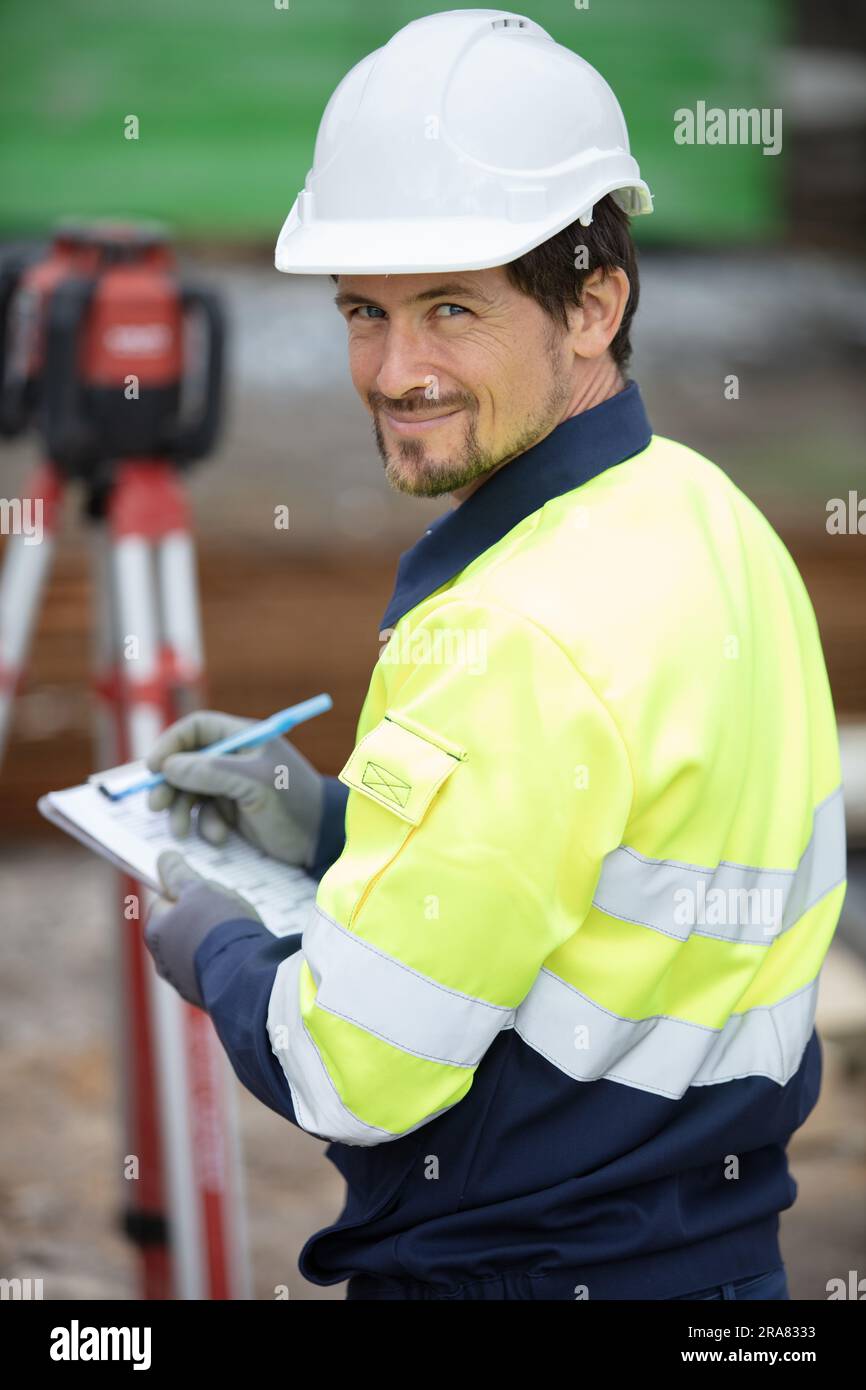
Afterward, investigate prospective candidates thoroughly. https://breareybuildingexperts.com/ for surveyors with appropriate credentials, certifications, and a strong portfolio of past projects. Looking at online reviews and seeking advice from associates can provide critical insight into their standing and dependability. Communicating with potential land surveyors during first consultations will also expose their method of interaction and professional standards, which are crucial for a successful working collaboration.
Ultimately, assess the cost and value offered by each surveyor. Although it may be attractive to choose the least expensive choice, it is necessary to weigh the amount of experience and expertise against the fees. In most cases, putting funds in a competent surveyor can conserve you costs in the long run by avoiding mistakes and ensuring compliance with regulations. Always request specific estimates and confirm what work are provided, so you can make an wise decision that fits with your task's financial plan and objectives.
Critical Tools and Innovation for Land Surveyors
Land surveyors depend on a range of essential instruments and innovation to perform their tasks precisely and effectively. An important of the most instruments is the complete station, which combines the features of a theodolite for measuring angles for determining angles and an automated distance measuring device. This sophisticated device allows land surveyors to obtain accurate measurements regarding distances and angles, facilitating exact charting and property identification. Moreover, GPS technology has become indispensable for modern land surveyors, allowing them to reach high levels of precision in locating coordinates on the earth's surface.
Recently, innovations in technology have implemented instruments such as drones and 3D laser scanners into the land surveying sector. UAVs are particularly helpful for collecting aerial photographs and terrain data through large areas quickly and efficiently. Meanwhile, three-dimensional laser scanners generate detailed, three-dimensional representations of locations, allowing surveyors visualize and analyze complex settings. These state-of-the-art devices significantly enhance the efficiency and exactness of measurement tasks, enabling experts to fulfill tasks with greater speed and with enhanced detail.
Another key aspect of a land surveyor's toolkit is software tailored for data analysis and visualization. Applications like Geographic Info Tech (GIS) allow surveyors to understand measurements, develop chart, and analyze spatial information efficiently. Integrating traditional surveying techniques with modern technology not only enhances correctness but also opens up new avenues for task management and execution, establishing surveyors essential to the achievement of real estate development and building tasks.